

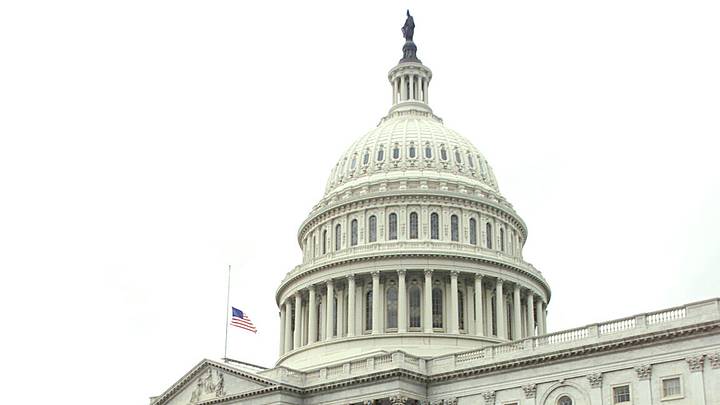
The Senate on Monday passed the Protect College Sports Act 77-22, a bipartisan overhaul that would replace the patchwork of state NIL laws with one federal rulebook and give the NCAA limited power to enforce it. The bill now heads to the House, which is not scheduled to return until after the Nov. 3 midterms.
NEW: The U.S. Senate has passed the Protect College Sports Act.
— On3 (@On3) September 29, 2026
The bill now moves to the House of Representatives.https://t.co/2CIBtBp89b pic.twitter.com/NyIj6BkIlk
What is in the Bill?
Florida Sen. Ashley Moody voted yes after the chamber adopted her amendment raising the cap on Power conference membership from 19 schools to 20. Moody had named Miami, Florida State and South Florida as programs that could benefit if another realignment wave opens. Florida Sen. Rick Scott was one of only two Republicans to vote no.
The legislation, written by Sens. Ted Cruz, R-Texas, and Maria Cantwell, D-Wash., would give the NCAA and its conferences a limited antitrust exemption to set and enforce rules on eligibility, transfers and athlete pay.
Under the bill, schools could share up to $48.8 million a year with athletes, up from the $21.3 million cap tied to the House settlement. That total includes a $22.5 million fund aimed at keeping current players and as much as $5 million reserved for women's and Olympic sports. Athletes would keep a federal right to earn NIL money, but they would have to report deals worth more than $600, and agent fees would be capped at 5%.
Players would get one transfer without sitting out a season, eligibility would run five years and scholarships would be guaranteed for 10 years after an athlete's final season. Coaches now would be barred from leaving for another school during the season.
The bill would limit how freely P4 schools can switch conferences for several years and cap those conferences at 20 members. Lawmakers from Florida, North Carolina and South Carolina had pressed for that change, pointing to Miami, Florida State, North Carolina and Clemson as programs that could be targets if the Big Ten or SEC expand again.
The House is in recess until after the midterms and would take the bill up in a lame-duck session if at all. If it does not pass before the new Congress is seated in January, the process starts over.
President Donald Trump has said he would sign the bill if it reaches his desk and Cruz has urged House Speaker Mike Johnson to bring members back and pass it quickly.
 Add us as a preferred source on Google